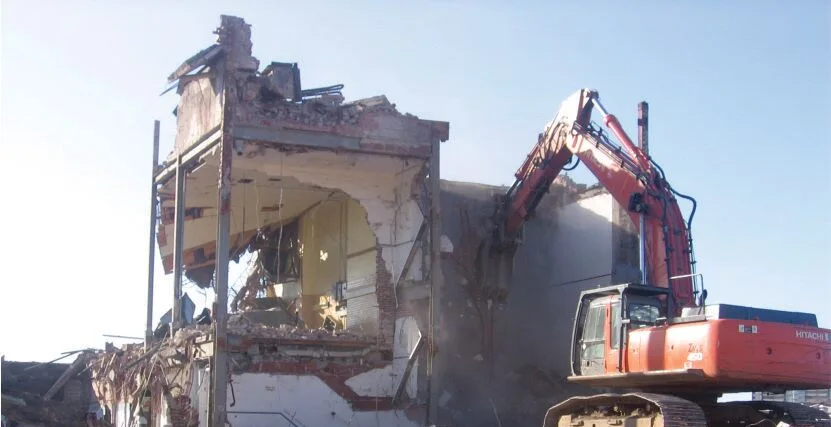
Decommissioning the Saint John YMCA-YWCA
A safe, clean exit for a community landmark, and a clean site for what came next
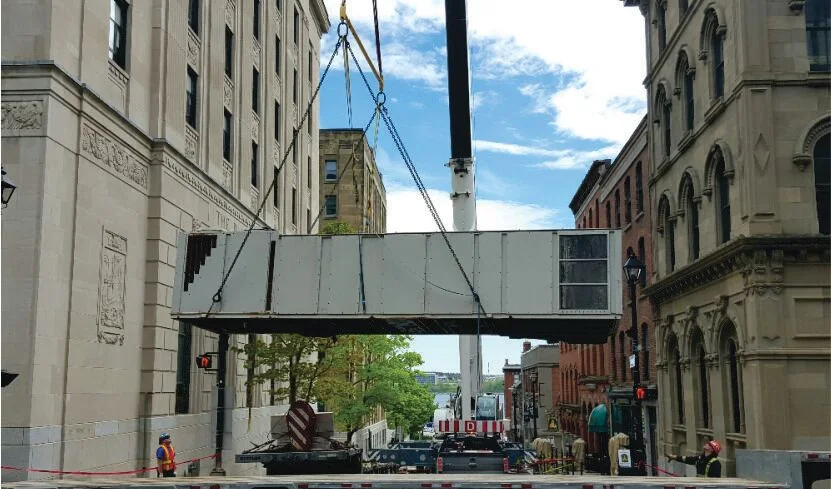
New heating, roofs and rooftop HVAC for a 1931 heritage bank.
A feasibility study on replacing an oil-fired heating plant grew into a complete architectural, mechanical, electrical and structural upgrade of a protected heritage building, managed by our team.
Opened on 3 August 1931 at 1709 Hollis Street, the Bank of Nova Scotia’s Renaissance-inspired six-storey sandstone building was designated under the Nova Scotia Heritage Property Act in 1985. Today it houses Scotiabank’s Atlantic regional office and Halifax main branch.
In 2015 we completed a feasibility study to determine whether there was a cost-effective alternative to the existing oil-fired heating system. Through that study we were able to recommend several improvements beyond the heating plant.
Scotiabank proceeded with many of the recommendations. We provided complete architectural, mechanical, electrical and structural design and project management for the replacement of the roofs and rooftop heating, ventilation and air-conditioning equipment, and conversion of the boilers from fuel oil to natural gas, with design over the winter of 2015 to 2016 and construction in spring 2016.
Related work
A safe, clean exit for a community landmark, and a clean site for what came next
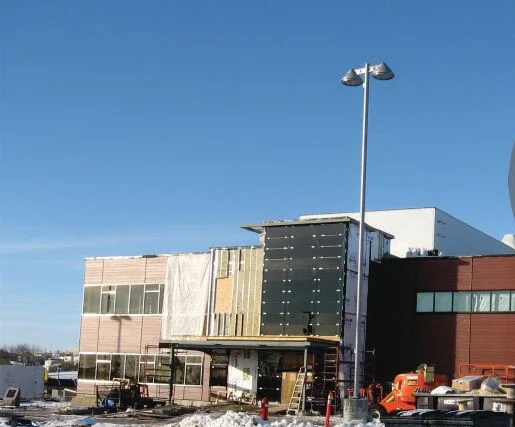
From former brewery brownfield to a utility's new home
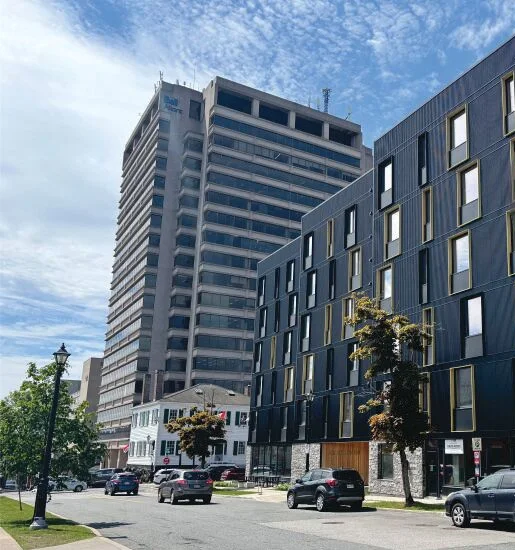
Mechanical and electrical design for a passive-house apartment building
Read more: Do you need a project manager in your corner? Owner-side project management for small and mid-sized capital projects · Energy audits, energy modelling and fuel conversions: where the payback actually is for Atlantic Canadian buildings · Modern HVAC in heritage buildings: comfort and efficiency without losing the character
Start the conversation
A short project brief takes two minutes. A senior engineer in the right discipline reads it and gets back to you within one business day.