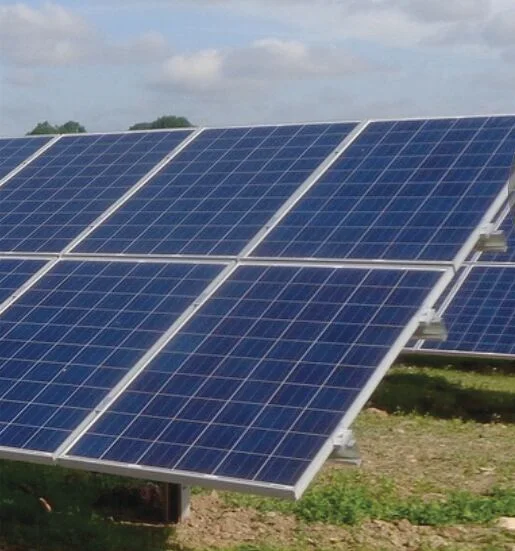
Violet Solar Farm
Approvals for Atlantic Canada's first utility-scale solar farm
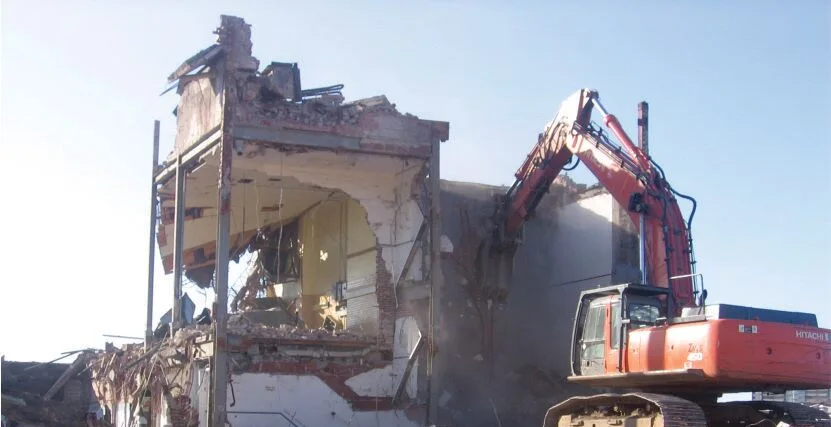
A safe, clean exit for a community landmark, and a clean site for what came next.
Asbestos, PCB ballasts, lead paint and petroleum-contaminated soils were surveyed, removed and remediated under our supervision, and the site received regulatory file closure for redevelopment.
The YMCA-YWCA in Uptown Saint John had been a pillar of the community but had outlived its serviceable life. With the facility relocating, the site was to become a hub of revitalization through construction of the Saint John Justice Complex. First, it had to be taken down safely.
Consistent with its age, decommissioning assessments found asbestos-containing insulation and plaster, PCB-containing light ballasts and lead-based paints. Soil and groundwater investigations around the underground storage tanks revealed petroleum hydrocarbon and Bunker C contamination.
We prepared the hazardous materials survey and demolition specifications, supervised the hazmat crews and monitored air quality to protect them, and quantified and tracked the safe disposal of everything removed. The building was demolished over the winter of 2007 to 2008, contaminated soils were excavated, and the site received regulatory file closure in 2008, confirming that it no longer presented a health and safety issue and could be redeveloped.
Related work
Approvals for Atlantic Canada's first utility-scale solar farm
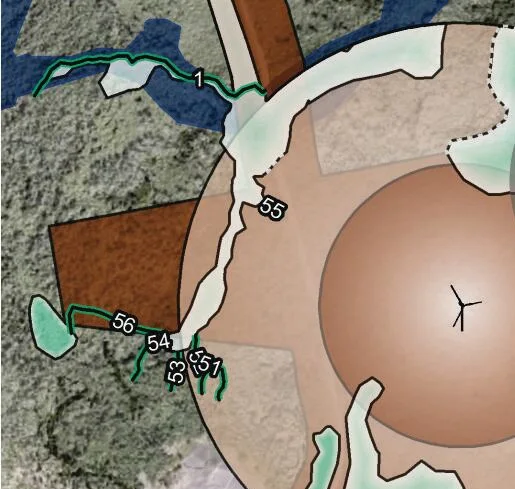
Ground-truthing 1,658 hectares for a 42 MW wind project
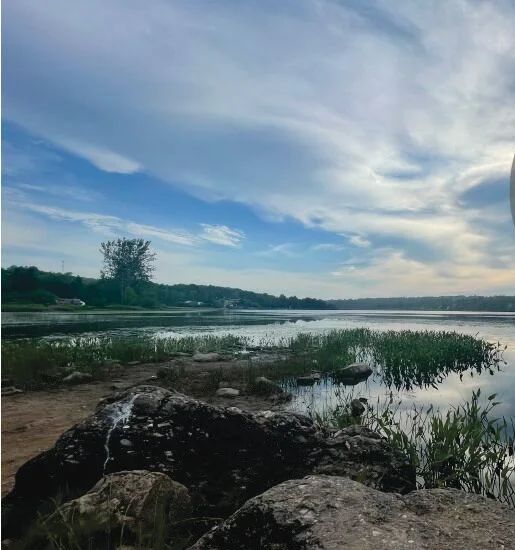
A baseline and a plan for a lake the whole town uses
Read more: Phase I vs. Phase II Environmental Site Assessment: what buyers, sellers and lenders in Atlantic Canada need to know · Brownfield redevelopment: how contaminated sites become buildable again (remediation vs. risk management, and getting to file closure)
Start the conversation
A short project brief takes two minutes. A senior engineer in the right discipline reads it and gets back to you within one business day.