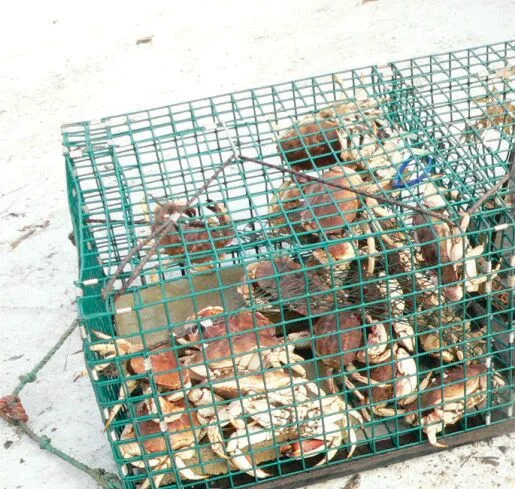
Ghost Fishing by Derelict Lobster Traps in LFA 36
Turning habitat compensation into 540 retrieved traps and a saved livelihood
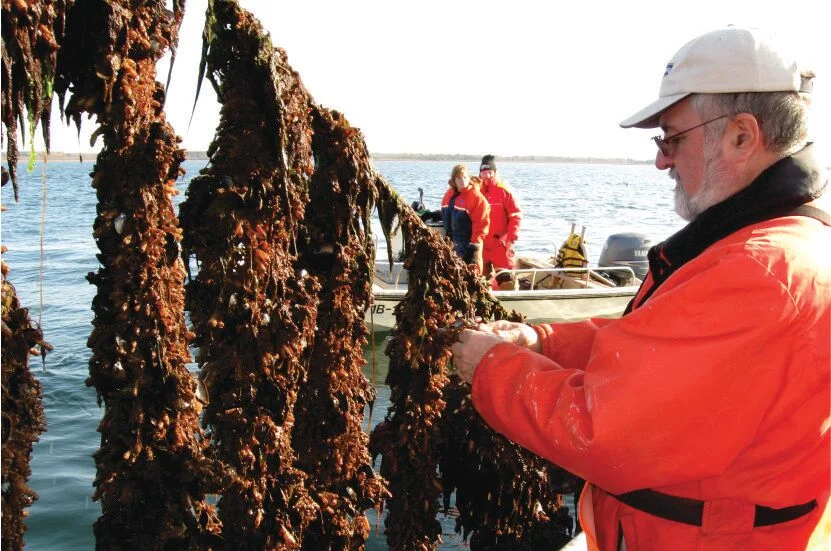
Engineering a better answer to an invasive species fouling PEI's mussel industry.
We went out on the water with growers, assessed their home-grown spray and liming rigs, and recommended the design improvements that worked best against sea squirts.
Tunicates, or sea squirts, are an invasive species that attach themselves to surfaces in the marine environment. In 1998 they were discovered on Prince Edward Island mussel culture equipment, fouling it, increasing handling costs and cutting yields.
Mussel farmers had developed several ad hoc technologies to remove tunicates: high-pressure sprays, low-pressure sprays, lime spray boxes, liming troughs and manual liming. The Atlantic Innovation Fund Tunicate Project engaged Fundy Engineering to evaluate those concepts, improve their designs and make sure they were safe to build and operate. We interviewed growers, went out on the water to watch each system in operation, and visited the local machine shops that built them.
Drawing on the structure, biology and ecology of the organism, we recommended design improvements in the winter of 2008 to 2009. In 2010 and 2011 we objectively evaluated refined technologies, including different nozzles and spray pressures, different sized lime spray boxes, thickened lime solutions and underwater pre-sprays, and recommended the most effective approach for equipment development.
Related work
Turning habitat compensation into 540 retrieved traps and a saved livelihood
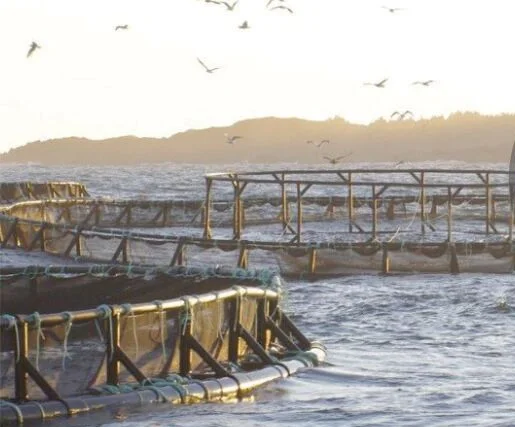
Carbon accounting across a seven-facility supply chain for ASC certification
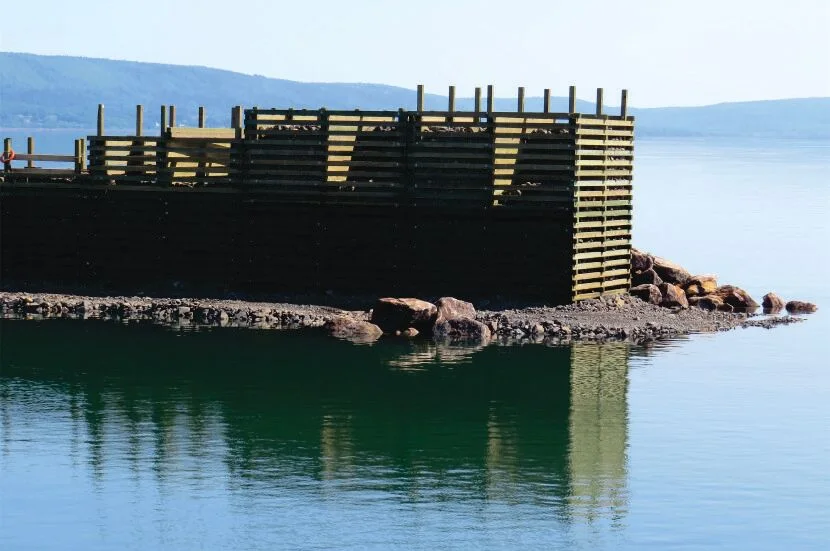
A 300 m breakwater redesigned around poor soils
Read more: Aquaculture site selection and mooring design in high-energy Atlantic waters: how to pick a site that holds, and a grid that holds it · Greenhouse gas assessments for aquaculture and seafood certification: what ASC, your buyers and your lenders want to see (Scope 1, 2 and 3 explained)
Start the conversation
A short project brief takes two minutes. A senior engineer in the right discipline reads it and gets back to you within one business day.